(car) camping for newbs
I grew up camping with my parents fairly regularly, so when I became of age and had some disposable income of my own I naively thought, “Oh, I know how to do this! This will be a fun hobby for me and my friends.”
Wrong. Very wrong.
There’s a big difference between watching someone do something (even if it’s been years of watching) and doing it yourself.
Here are some tips, checklists, and stories from some recent camping trips. I count them all successes because:
1. WE DIDN’T DIE
2. Uncomfortable things can still be fun… at least in hindsight.
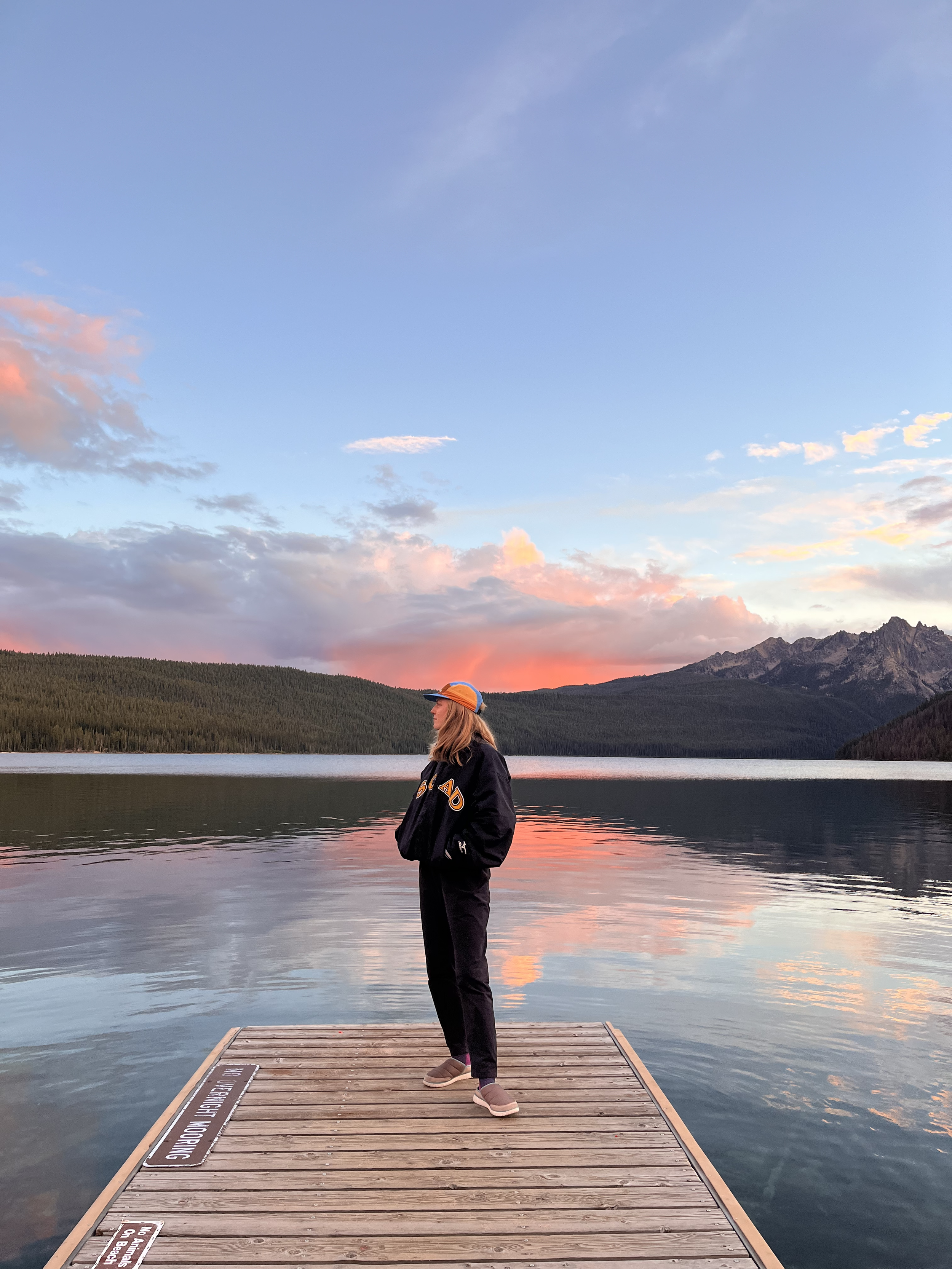
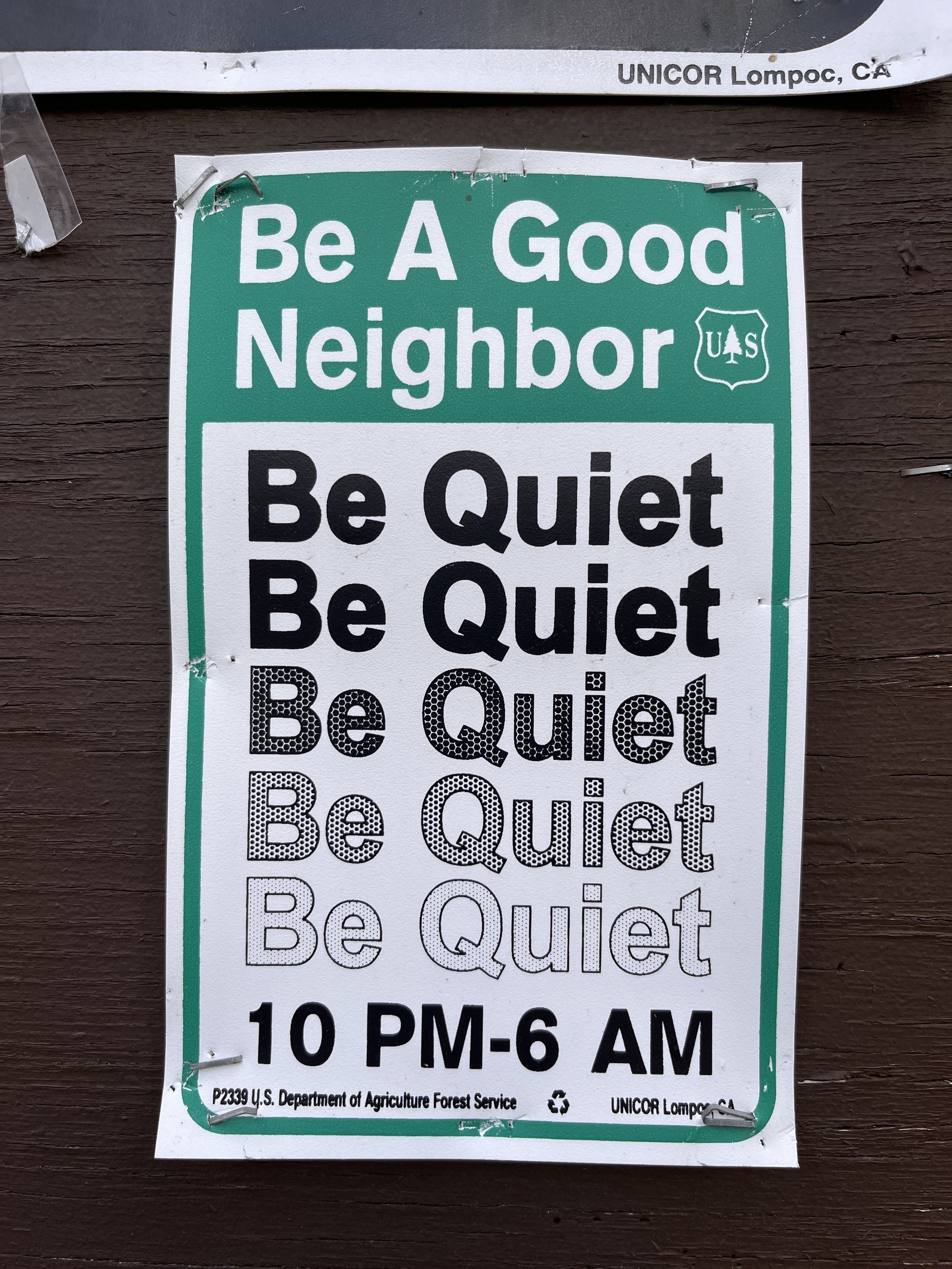
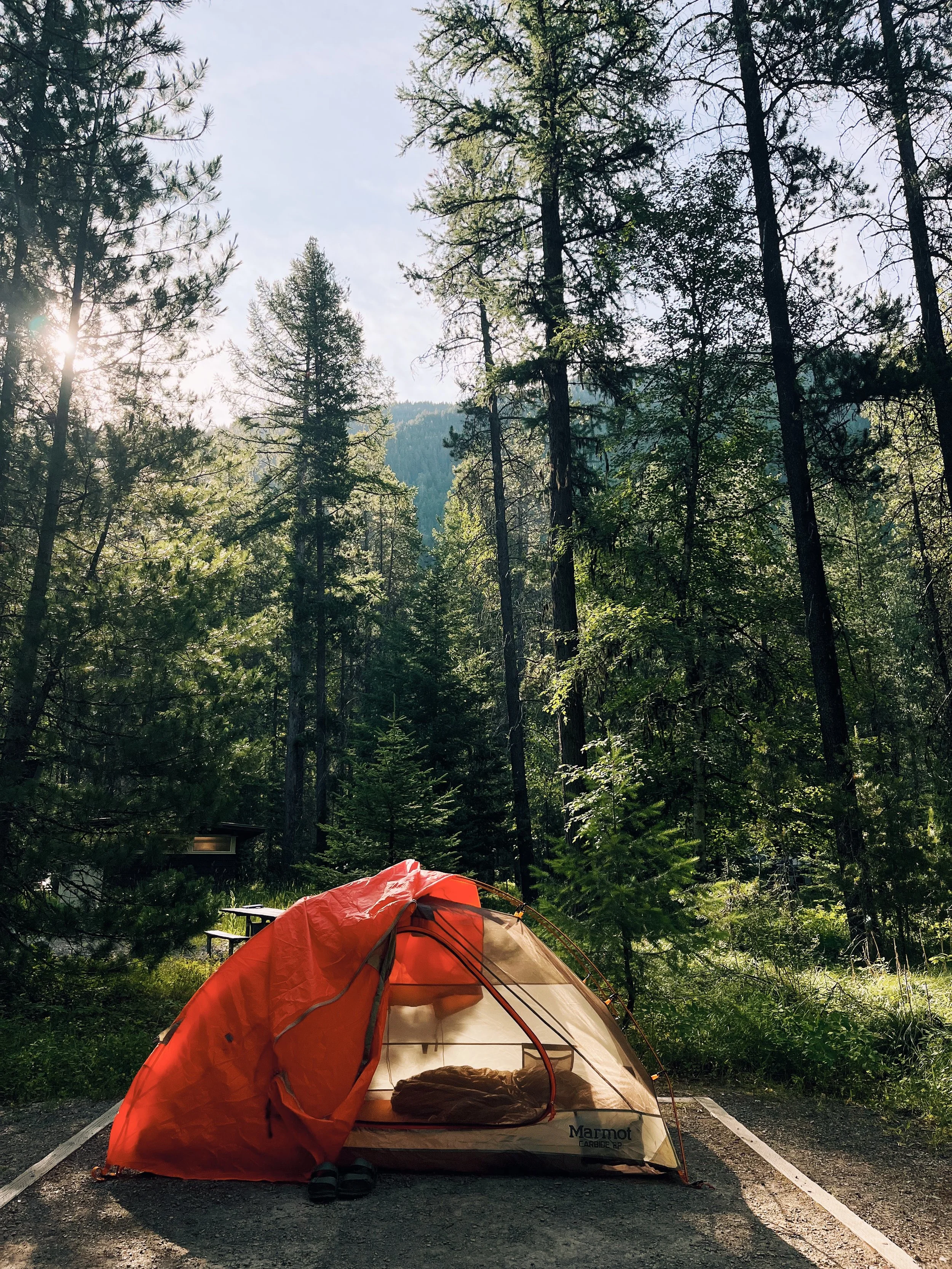
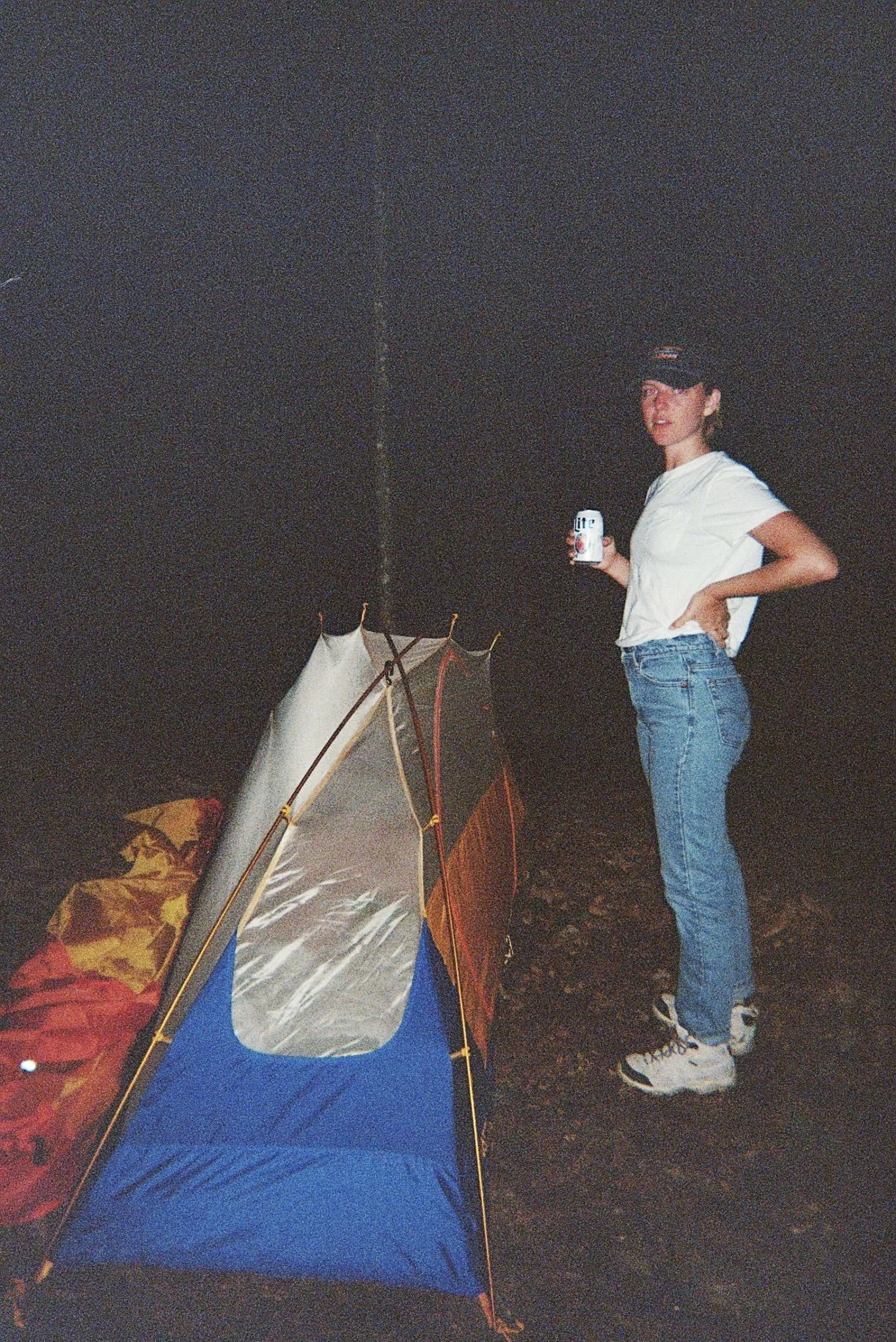
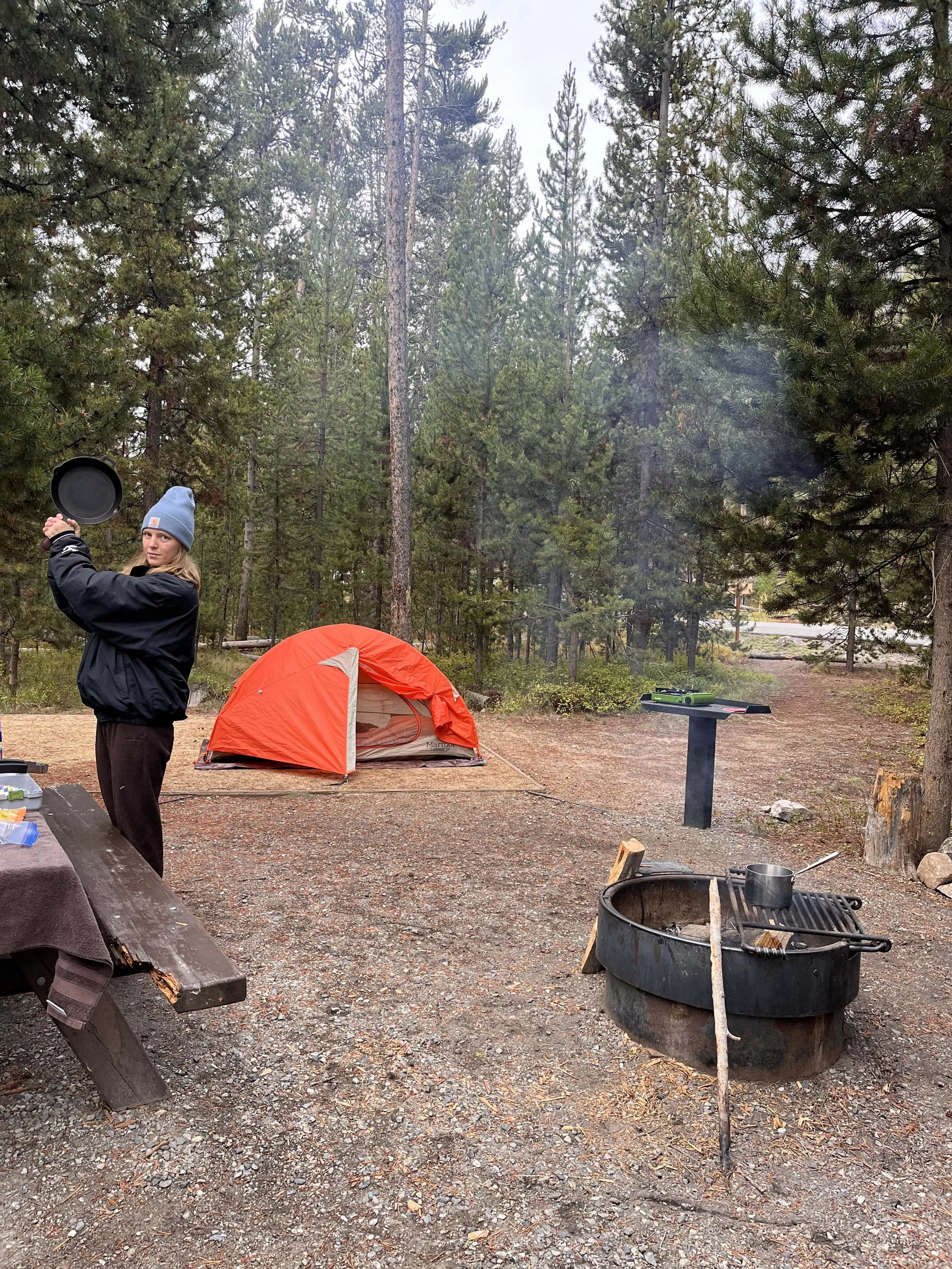
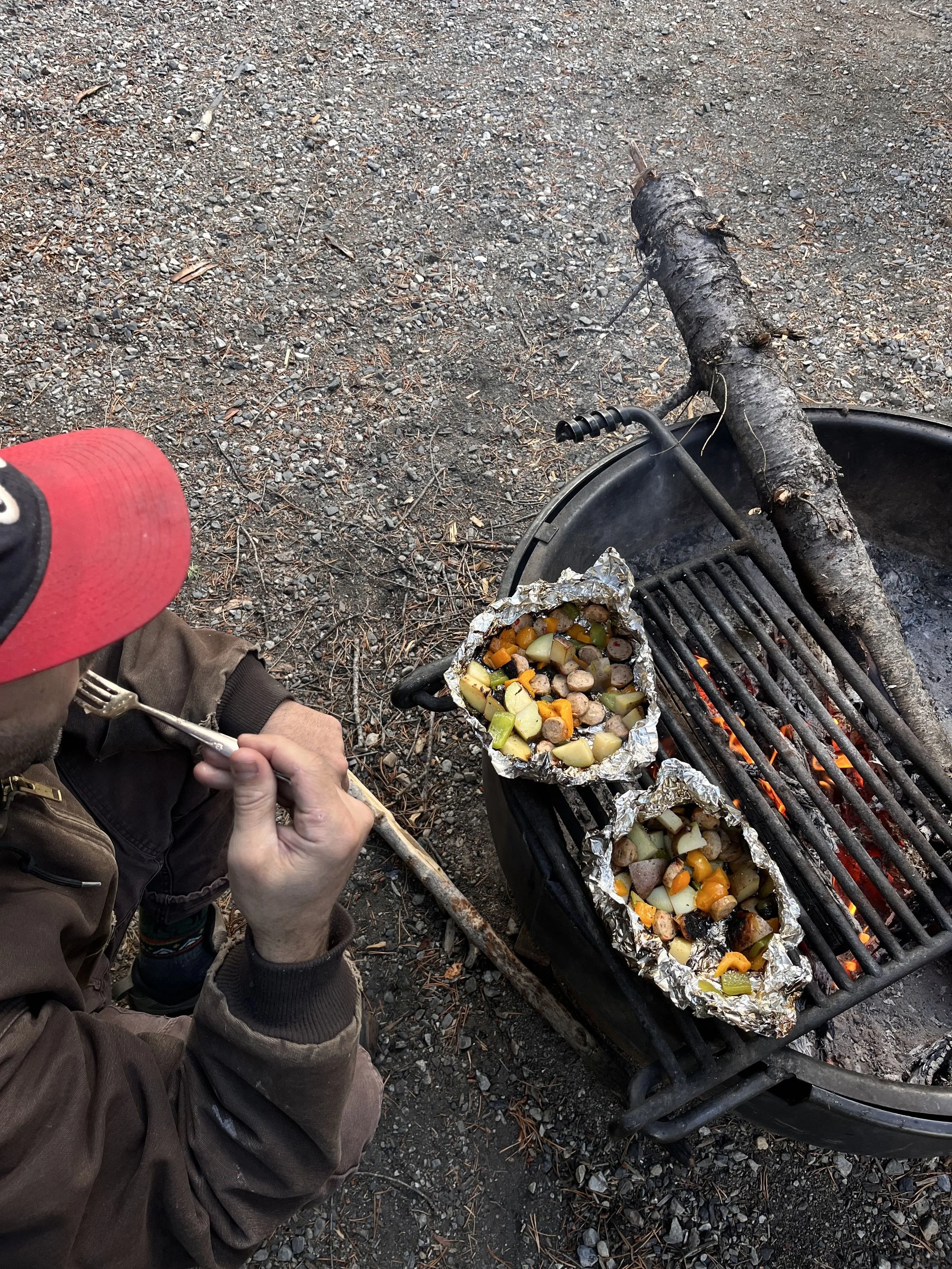

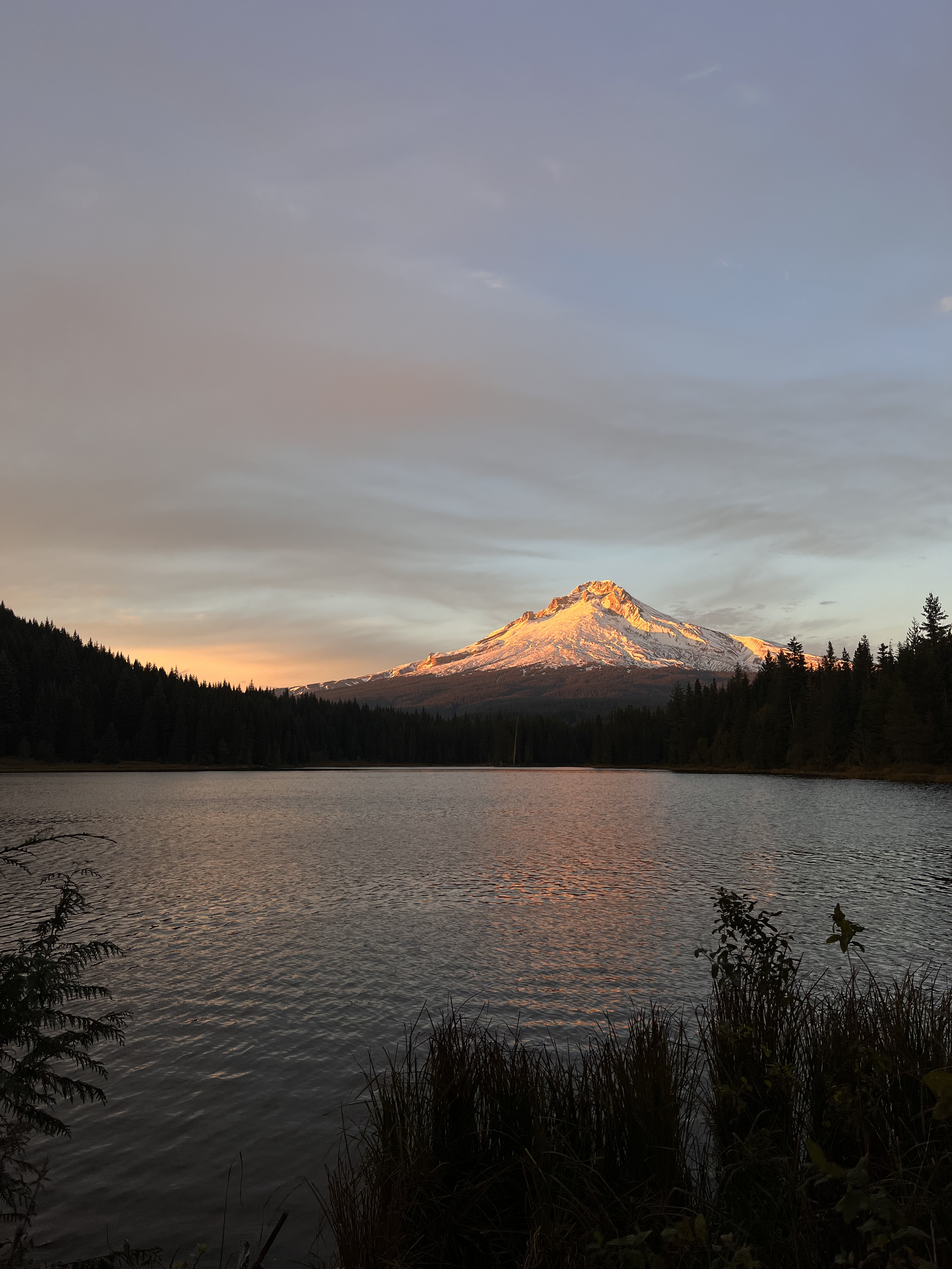
How you prepare for a camping trip largely depends on three things.
how long you’re going for
where you are going
how you are getting there
Example:
On an overnight camping trip in St. Augustine, Fl. we forgot a lighter. No big deal. The nearest gas station was a five minute drive, the temps were in the 50s and the only things at stake (literally and figuratively) were the hotdogs I had been dreaming about for the previous 4 hrs.
However, as we are learning now living in the western part of the US - conditions and provisions are MUCH more unpredictable. There will not always be a gas station around the corner from your camping spot, and conditions can change on a dime. Best thing to do is to make a robust checklist for yourself before heading out. I would make a “good, better, best” checklist laying out your packing list from essential items to luxury gear.
the rookie checklist
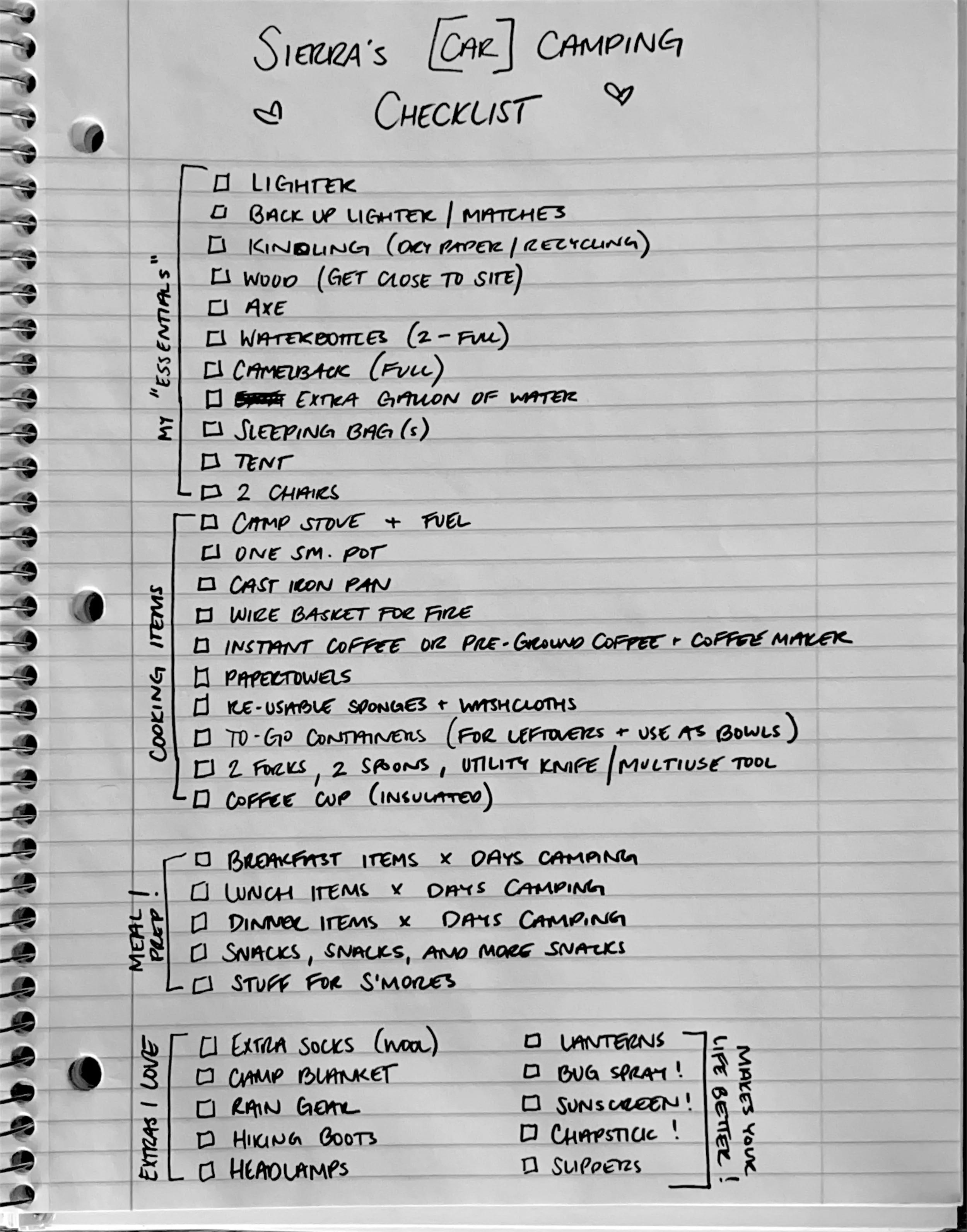
even something as simple as a “checklist” is not so simple when you’re starting from scratch. Here’s my step by step process for creating your own list - one not given to you by tik tok or IG or some youtube influencer who has every top of the line product. A simple, tailored list, made by you, for you.
Start by researching the place you will be going. What is the weather looking like? What’s the terrain? (if you’re hiking in or hiking around) Has there been any recent snow or flooding? Have there been droughts that might have caused a fire ban? All of this is important context to help you decide what you need to bring. Always pay attention to any messages that local, state, or federal entities are posting to make sure that you are following guidelines.
Think through each part of your day.
Start with your arrival. ( I highly recommend you arrive to your campsite with plenty of daylight left). At the very least, allow yourself enough daylight to get your tent assembled. This brings me to a good point - practice setting up your tent before your trip in the comfort of your home. Get it down to a science. There’s nothing worse than setting up a tent for the first time in the dark or cold or even worse… the cold, dark, and rain.
How will you be spending your days? Will you be renting kayaks? Embarking on a 10 mile hike? Snowshoeing? Sitting around the fire drinking beer? Get your provisions and plan your meals around this. If you’re hiking 10 miles, you’ll need a lot of water, food, and possibly layers depending on where in the world you are. If you’re drinking beer around the fire… well, that simplifies things. You’ll need work backward from dinner time when planning out your day activities. Cooking over a fire (even if it’s a camp stove) always takes longer than you expect.
Meal prep is one of the most essential parts of your checklist. This will include food, but it should also include things like pots, pans, camp stoves, fuel for the camp stoves, paper towels, utensils, cleaning supplies, etc etc. If you’re car camping, I like to take a big clear organizing bin with all of these items inside. If you don’t have designated camping items, just take the supplies you need from your kitchen.
Lastly, how do you plan on sleeping? Are you a princess and the pea sleeper or can you make it with just a sleeping bag on the dirt? Baseline, I’d recommend a good tent and a sleeping bag. Next level up would be to get an inflatable pad. These help regulate your body temperature by creating an insulating barrier between you and the cold ground. They also help old people like me from feeling like I got hit by a bus when I wake up in the morning. Pillows are also nice, but I forget mine almost every time and I just shove a sweater or a jacket under my head.
How are you getting there? Are you and four other friends piling into a Camery? Hate to break it to you, but you’re all gonna have to make some tough cuts. If you have the space, take more than you think you need. You can always tweak your checklist after your trip is over.
Be prepared for the worst case scenario. As my family loves to say, “It’s better to have it and not need it than it is to need it and not have it.” No one is going to judge you for bringing extra firewood, more water than you need, or extra layers just in case.
Write your checklist down, make notes, and refine as you go.
learn from my mistakes
have a backup meal (or hearty snacks) in case you can’t get a fire started
keep toilet paper in your car
pack extra socks
pack a tarp in case of rain. You can set this up over chairs and your fire pit, or over your tent as an extra layer of coverage.
don’t forget the s’mores ;)